Reading
Reading and Phonics - Strategy
Intent: To promote fluent and expressive readers who have a life long love of reading.
Phonics
All teachers have the highest expectation that children will become proficient readers by the end of Key Stage 1 through our systematic, consistent implementation of our chosen phonic programme, Little Wandle Letters and Sounds Revised.
The intent behind our phonics approach is to:
- Deliver a high-quality systematic synthetic phonics programme of proven effectiveness, which is followed with rigour and fidelity so that children are taught consistently to use phonics as the route to reading unknown words.
- Ensure pace of the phonics programme is maintained so that children become fluent, independent readers by the end of year 1.
- Ensure children’s reading books show a cumulative progression in phonics knowledge that match the grapheme-phoneme correspondences they know to support decoding skills.
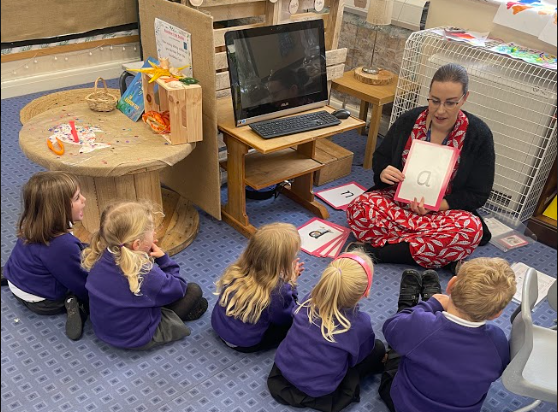
Phonics is implemented through Little Wandle Letters and Sounds Revised.
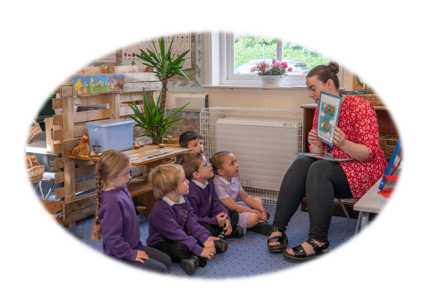
- Children in Reception are immersed in Foundations for phonics, delivered through taught sessions and in the moment through their play and storytelling.
- The Phase 2 programme of teaching begins as children start week 2 of Reception; with the expectation that they will be fluent readers having secured word recognition skills by the end of key stage one.
- We ensure the teaching of phonics is systematic and consistent across school. The lessons are always taught at a fast pace to ensure children are highly engaged for the sessions.
- We teach phonics for 30 minutes a day. In Reception, we build from 10-minute lessons, with additional daily oral blending games, to the full-length lesson as quickly as possible. Each Friday, we review the week’s teaching to help children become fluent readers.
We follow the Little Wandle Letters and Sounds Revised expectations of progress:
- Children in Reception are taught to read and spell words using Phase 2 and 3 GPCs, and words with adjacent consonants (Phase 4) with fluency and accuracy.
- Children in Year 1 review Phase 3 and 4 and are taught to read and spell words using Phase 5 GPCs with fluency and accuracy.
- Daily Keep-up lessons ensure every child learns to read
- Any child who needs additional practice has daily Keep-up support, taught by a fully trained adult. Keep-up lessons match the structure of class teaching, and use the same procedures, resources and mantras, but in smaller steps with more repetition, so that every child secures their learning. This is extended into Year 2 for any children for are not fully fluent at reading or has not passed the Phonics Screening Check.
- We use the Little Wandle Letters and Sounds Revised assessments to identify the gaps in their phonic knowledge and teach to these using the Keep-up resources – at pace.
- If any child in Year 3 to 6 has gaps in their phonic knowledge when reading or writing, we plan phonics ‘catch-up’ lessons to address specific reading/writing gaps. These short, sharp lessons last 10 minutes and take place at least three times a week.
We teach children to read through reading practice sessions three times a week. These:
- are taught by a fully trained adult to small groups of approximately six children
- use books matched to the children’s secure phonic knowledge using the Little Wandle Letters and Sounds Revised assessments and book matching grids on pages 11–20 of 'Application of phonics to reading'
- are monitored by the class teacher, who rotates and works with each group on a regular basis.
Each reading practice session has a clear focus, so that the demands of the session do not overload the children’s working memory. The reading practice sessions have been designed to focus on three key reading skills:
- decoding
- prosody: teaching children to read with understanding and expression
- comprehension: teaching children to understand the text
- In Reception these sessions start in Week 4. Children who are not yet decoding have daily additional blending practice in small groups, so that they quickly learn to blend and can begin to read books.
- In Year 2, we continue to teach reading in this way for any children who still need to practise reading with decodable books.
- Parents are helped to know how best to support children in learning sounds through our phonics workshops throughout the year.
- Reading at home is strongly promoted. Teachers ensure that children understand how to work appropriately with decodable books and with shared texts.
- For children with SEN needs a personalised programme will be developed in line with guidance for external agencies
Phonics is taught in a whole class approach. Any gaps in knowledge are addressed through Little Wandle Interventions. Therefore, the children then move through the phase groups as one group together, Regular progress meetings are held with all reading teachers to monitor children making slowest progress. Children in danger of falling behind, or who are working under expected levels (lower 20%), are swiftly identified and enough additional support provided to enable them to keep up.
The impact of our consistent and systematic teaching of our phonics programme is that children become fluent readers by the end of KS1. We measure the impact of our phonics approach through half termly phonic assessments. This helps the teachers identify gaps which then inform Little Wandle Interventions.


Reading
Reading is integral to every part of our curriculum. Children have exposure to a wealth of high-quality texts, feeding their imagination and instilling a lifelong love of reading.
The intent behind our approach to Reading is to:
- Promote a love of reading
- Ensure that every child learns to read to a high standard of fluency and understanding, regardless of their background, needs or prior attainment.
- Close the ‘word gap’ by expanding pupils' vocabulary and deepen their understanding of the texts they are reading
Reading is implemented through a holistic approach, whereby children are reading across the curriculum.
Children in EYFS and Year 1 are read to every day, with the opportunity to read individually, in pairs and in small groups as part of a whole class session.
Through our daily Whole Class Reading sequence, children answer comprehension questions, linked to the reading domains, which require them to think deeply and connect their thinking to evidence from the text. Children have a broad reading diet, and are exposed to many genres and a range of authors both 'Old and Gold' and 'New and Bold'. There are daily opportunities for teachers to model reading, which gives the children opportunity to understand what is being read as well as listen to excellent use of expression and intonation.
The ongoing assessment of children’s reading progress is sufficiently frequent and detailed to identify any pupil who is falling behind. Where a child falls behind, targeted support is given immediately in line with our ‘Keep up, not catch up’ policy.
To develop pupils’ understanding and use of spoken language: Pupils’ vocabulary, grammar, understanding of the world, and their ability to communicate effectively are improved through the quality and variety of language they are exposed to through; unpicking key vocabulary from a quality text with a heavy emphasis on revisiting unfamiliar vocabulary daily.
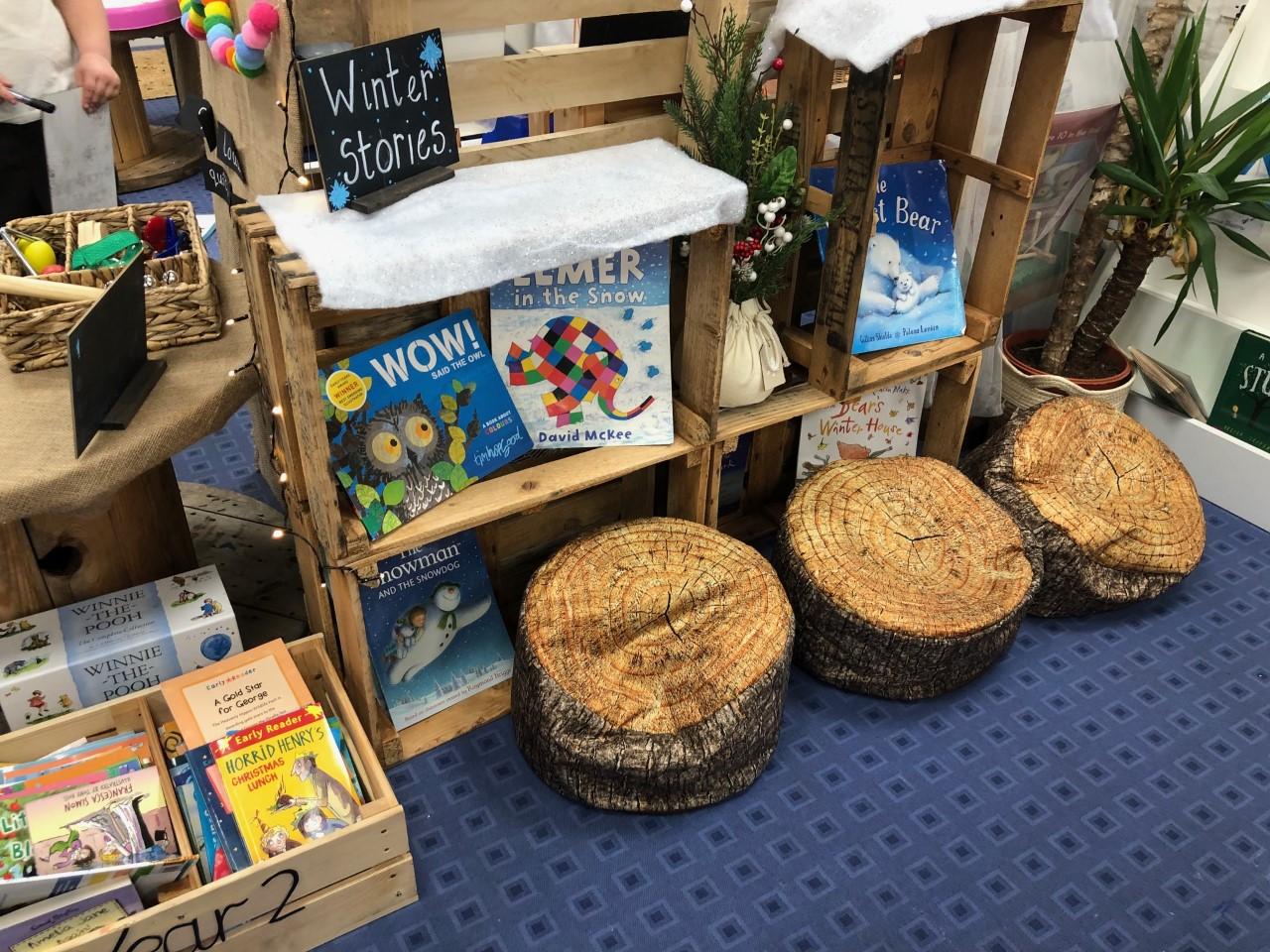
In EYFS, reading is a priority. We focus on developing fluency, confidence and enjoyment of reading. Throughout the day in play through our in the moment approach to teaching and learning and during story time, adults will consistently model language, vocabulary and syntax both from books and stories, seeking to introduce new and challenging vocabulary. We will not shy away from words deemed ‘too tricky’. Stories and books, as well as opportunities to blend simple words, are evident in all areas of the classroom to support play-based learning. There are high quality texts in our cosy reading areas to inspire a love of books and provide the opportunity for children to tell stories and read individually, in pairs and in small groups. The books in reading areas are organised into genres, recommended reads and 'class favourites' to encourage book talk amongst the children.
EYFS and KS1 have daily 10 minute storytelling time where children explore books and create their own narratives.
Teachers encourage reading for pleasure across our school by:
- Reading out loud to children at least once a day
- Providing time and space for children to share their recommendations and opinions
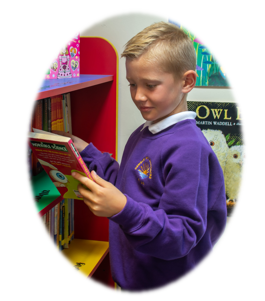
- Using our library to explore a variety of texts
- Encouraging reading at home. Children take home books that closely match the letter-sound correspondences, but also are also able to take home a ‘reading for pleasure’ book from our Library.
- Developing children’s rich ‘reading diet’ and knowledge of literature. Children are given the opportunity to personally respond to texts, debating and developing links to other texts, authors and prior knowledge.
- Using Reading Corners linked to our core text
The impact of our approach to Reading is that children are excited to read and frequently recommend and talk about their favourite authors and texts. All our children are given the opportunity to access ‘above pay grade texts’, giving them chance to feel challenged and make outstanding progress. We focus on children having FLUENCY, CONFIDENCE and ENJOYMENT of reading.

|
How we teach Reading | [pdf 1MB] |

|

|
Key Stage 2 reading Booklet for parents - Sept 2021 | [docx 752KB] |
|
|
|
Reading Booklet for EYFS and KS1 | [pdf 869KB] |
|
Click the buttons below to find our recommended reads
for every year group...


Reader Teacher
Click here to visit the 'Reader Teacher' for more recommended reads!
SOOPER BOOKS...
What is SOOPER BOOKS?
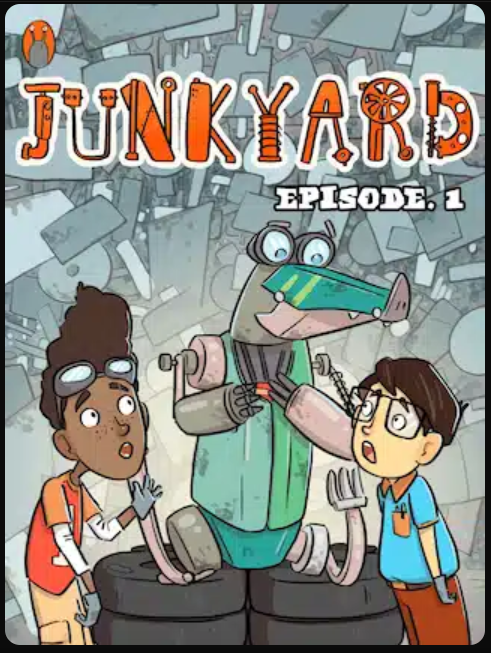
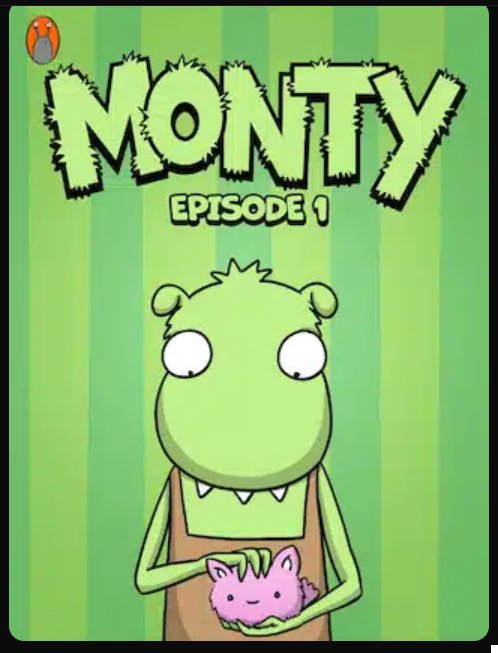
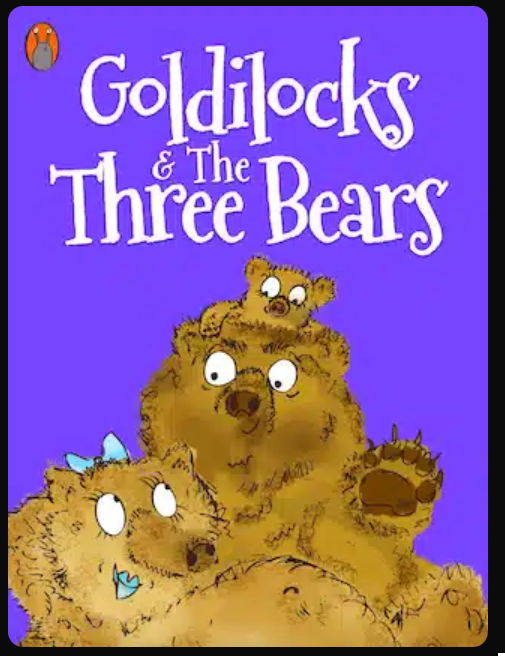
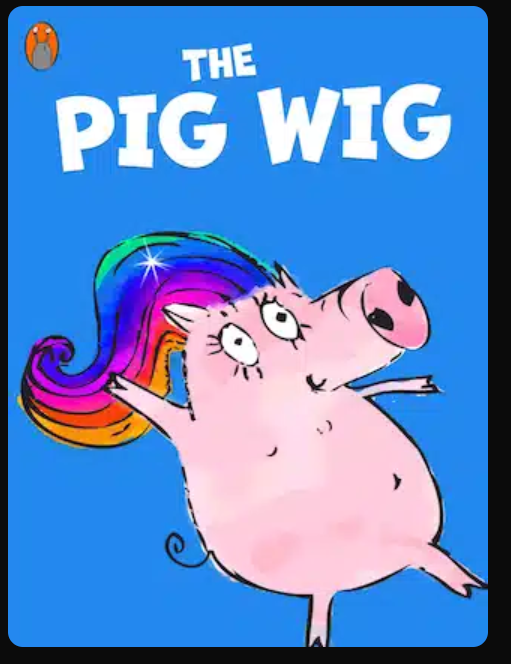
SOOPER BOOKS is a new, award winning digital story and audiobook platform. You can read or listen to hundreds of stories including original series and rhymes aswell as modern remakes of traditional stories and fables.
Click the link to be whisked away into a new book...... or try some of the most popular short stories and rhymes below!